
Deck Sealing, Staining & Cleaning in Eugene, Oregon
Protect your deck from Oregon rain and restore faded, grey wood with cleaning, sealing, staining and refinishing.
The Finish That Protects Everything Underneath It
A deck's sealer or stain is its first line of defense against Eugene's wet winters. Once that finish wears through, wood starts absorbing water directly, which leads to graying, splintering, mold growth and eventually rot. Regular sealing and staining is one of the most cost-effective ways to extend a deck's life.
We clean the deck surface first, removing dirt, mildew and any failing old finish, then apply a sealer or stain suited to the wood type and the amount of sun and foot traffic the deck gets.
Decks in shaded, tree-covered yards, common throughout Eugene neighborhoods like Amazon and South Eugene, tend to hold moisture longer and grow moss and algae faster than decks in open sun. Those decks generally need cleaning and resealing more often than a deck that dries out quickly after rain, which we factor into what we recommend for your maintenance schedule.

Deck Sealing, Staining & Cleaning Services
Deck Cleaning
Pressure washing and surface cleaning that removes dirt, mildew and old, failing finish before refinishing, done at a pressure low enough to avoid damaging soft wood fibers.
Deck Sealing
Clear or lightly tinted sealers applied to waterproof the wood and slow down graying and splintering without changing the wood's natural color much.
Deck Staining
Solid, semi-transparent or clear-penetrating stains that add color while protecting the wood, chosen based on how much of the natural grain you want visible.
Deck Refinishing
A full refinish for decks with peeling or heavily worn finish, including stripping old, failing coatings before the new finish goes on.
Mold & Mildew Treatment
Mold and mildew cleaned from the deck surface as part of the prep process, addressing the moisture source where possible to slow regrowth.
Routine Deck Maintenance
Scheduled cleaning and resealing to keep a deck protected year after year, which is far less expensive than letting a finish fail completely.
Composite Deck Cleaning
Composite decking doesn't need sealing, but it does benefit from periodic cleaning to remove mold, pollen and surface staining.
Stripping & Color Correction
Old, blotchy or peeling stain stripped back to bare wood when a fresh coat over the existing finish won't give a clean result.
Railing & Trim Finishing
Railings, posts and trim finished along with the deck surface so the whole structure has a consistent, protective coat.
Sealer, Stain, or Both
The right product depends on how much color and grain visibility you want, and how much maintenance you're willing to do.
Clear Sealer
Waterproofs the wood with minimal color change, showing off the natural grain. Tends to need more frequent reapplication than tinted products since it has less UV protection.
Semi-Transparent Stain
Adds color while still letting the wood grain show through. A common middle ground between a clear sealer and a solid, paint-like finish.
Solid Stain
Covers the wood grain almost completely with an opaque color. Generally the longest-lasting option, closer to paint than a traditional wood stain.
How to Tell Your Deck's Finish Has Worn Out
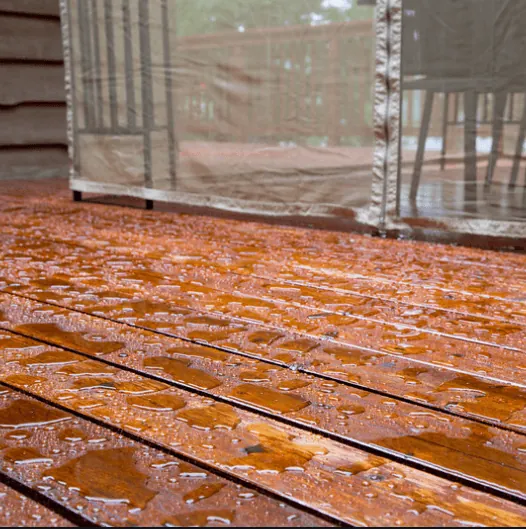
Water Stops Beading
Splash some water on the deck. If it soaks in instead of beading up, it's time to reseal.

Grey or Faded Color
Grey, sun-bleached wood means the finish has broken down and the wood is exposed.
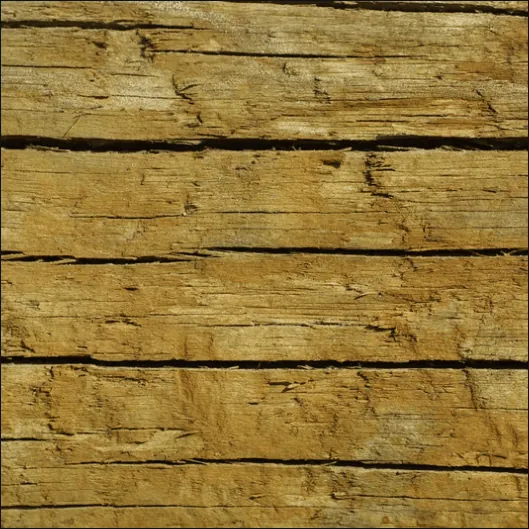
Rough or Splintered Boards
A rough, splintery surface is a sign the wood has dried out and lost its protective coating.

Mold or Mildew Spots
Dark or greenish spots on the deck surface point to trapped moisture and a failing finish.
How Deck Sealing & Staining Works
Inspection
We check the current finish, wood condition and any repair needs before recommending a product.
Cleaning & Prep
The deck is washed to remove dirt, mildew and failing finish, then given time to dry fully before anything is applied.
Repairs If Needed
Any damaged boards or loose fasteners found during prep are addressed before finishing, not painted over.
Sealing or Staining
The chosen product is applied evenly across the deck surface, railings and trim.
Cure Time & Walkthrough
We let you know how long the finish needs to cure before regular use, and review the finished deck with you.
What Sealing & Staining Cost Depends On
- Total deck square footage, including railings and stairs
- Whether the old finish needs to be stripped or just cleaned
- The product chosen, clear sealer, semi-transparent stain or solid stain
- How much repair work is needed before finishing can start
- Access and site conditions, such as deck height or nearby landscaping

Protect Your Deck's Finish
Call now to schedule cleaning, sealing or staining before the next Oregon rainy season.
Deck Sealing & Staining Questions
How often should a deck be sealed in Oregon?
Most wood decks in the Eugene area benefit from resealing every one to three years, depending on the product used, sun exposure and how much foot traffic the deck gets. A simple water-bead test, splashing water on the surface, tells you whether the current seal is still working.
What is the difference between deck sealing and deck staining?
Sealing is primarily about waterproofing the wood with a clear or lightly tinted product. Staining adds color while also providing some level of protection. Many deck finishes combine both functions in a single product, and we'll recommend the right option for your deck and the look you want.
Do you clean a deck before sealing or staining it?
Yes. We wash and prep the deck to remove dirt, mildew and old finish before applying any new sealer or stain, since a new finish applied over a dirty surface won't bond properly or last as long.
Can you remove mold and mildew from a deck?
Yes. Mold and mildew are cleaned from the deck surface as part of our cleaning and refinishing process, which also helps the wood underneath dry out and hold a new finish better.
Should I choose a clear sealer or a solid stain?
Clear sealers show off the wood's natural grain but generally need more frequent reapplication. Solid stains last longer and cover imperfections, but hide the grain almost entirely. Semi-transparent stains fall in between. We'll talk through the tradeoffs based on your deck's condition and the look you want.
Does composite decking need to be sealed?
No, composite and PVC decking don't require sealing or staining the way wood does. They still benefit from periodic cleaning to remove mold, pollen and surface grime, which we can include as part of routine maintenance.